By Jody Jewers
The Halifax YWCA’s LiftUp program is an idea whose time has come.
It wasn’t created with a big splash, dramatic launch or lots of fanfare. But as Quinn Anderson, a youth support worker with the Halifax YWCA, noted, it didn’t need to be.
“Myself as well as one of my colleagues who did a lot of the youth programming at the YWCA were talking with the EDIA team at Sport Nova Scotia,” says Quinn. “And we were talking about weightlifting and wishing that there was a program that supported the queer and trans community, especially youth, in accessing weightlifting, fitness and just going to the gym.”
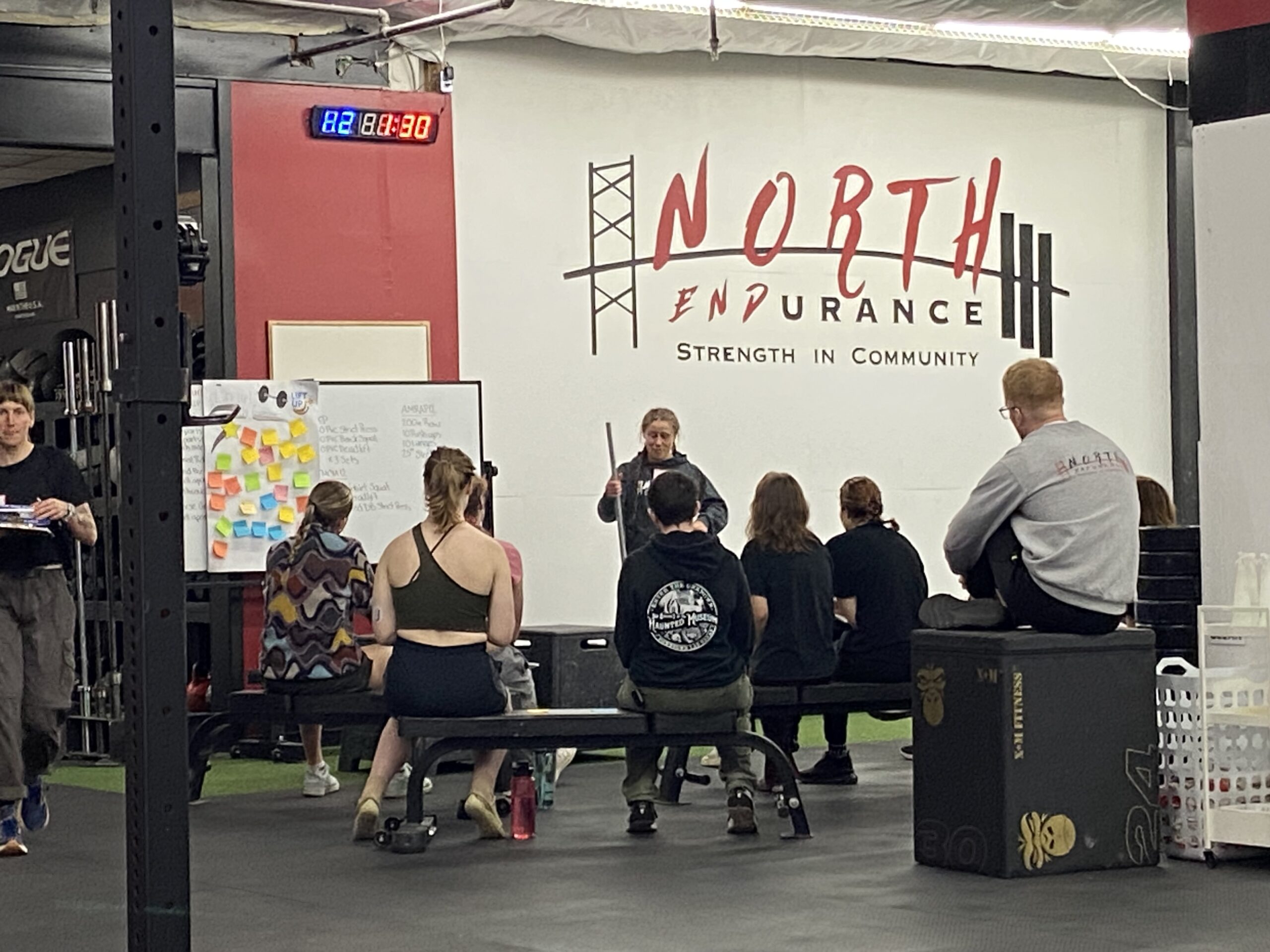
Quinn reached out to North Endurance, a gym in Halifax, which had already been doing more inclusive programming to support the 2SLGBTQIA+ community and began the LiftUp collaboration last October.
“We didn’t have specific requests for the program to be created, but everyone who was involved in the conversations about the potential need for it were also members of the queer community,” says Quinn. “In less formal, work-related conversations, they were talking with friends and other members of that community about it and the idea grew from there.”
The initial sessions were held once a week for eight weeks and attracted 14 participants ranging in age from 16 to 24. The majority of participants were new to weightlifting, though some did have a sports background.
A key, Quinn notes, was being able to offer the program in a safe, inclusive environment.
“Gym spaces, especially public spaces, aren’t always the most welcoming space,” says Quinn. “As a woman growing up in competitive sport, I have struggled to access public gyms. Just walking into a YMCA can be a pretty intimidating experience, so being able to make people comfortable and get coaching and instruction from someone within that community – our coach is non-binary – was something that we hoped to achieve.”
Quinn says there was also an emphasis on community building, as they were able to bring in people who worked in different organizations to share resources, information and access to care.
“The feedback was overwhelmingly positive. We did a feedback survey during the program and people said they wanted to come back and bring others to the program and they really appreciated the community building aspect.”
The program’s second set of sessions, which began in March, attracted 40 people who completed an expression of interest application within three days.
“That was one of the biggest takeaways, that it’s definitely something that should continue,” says Quinn. “Our capacity to support might be limited, but we want to help find ways for it to carry on. We hope to keep it as low barrier as possible. Within our organization, we’re starting up a few new programs and with the relationship we’ve built with the coach, we hope to hire them on to do some smaller skill programming in the future with us, so just finding small opportunities to continue the work. I think the program has definitely highlighted that this is a need and something that is wanted within the community.”