SNS Staff Column
The life of a sports official is not for everyone. You’re working in a stressful environment, required to make decisions under serious fatigue and subjected to scrutiny by both strangers and peers. We’ve seen these headlines before and I’ve experienced them myself as a referee for rugby, basketball and soccer. But we often don’t highlight the many positive experiences of officiating. I’m hoping my story will do just this and perhaps encourage a few folks to pick up the whistle to help increase the number of referees.
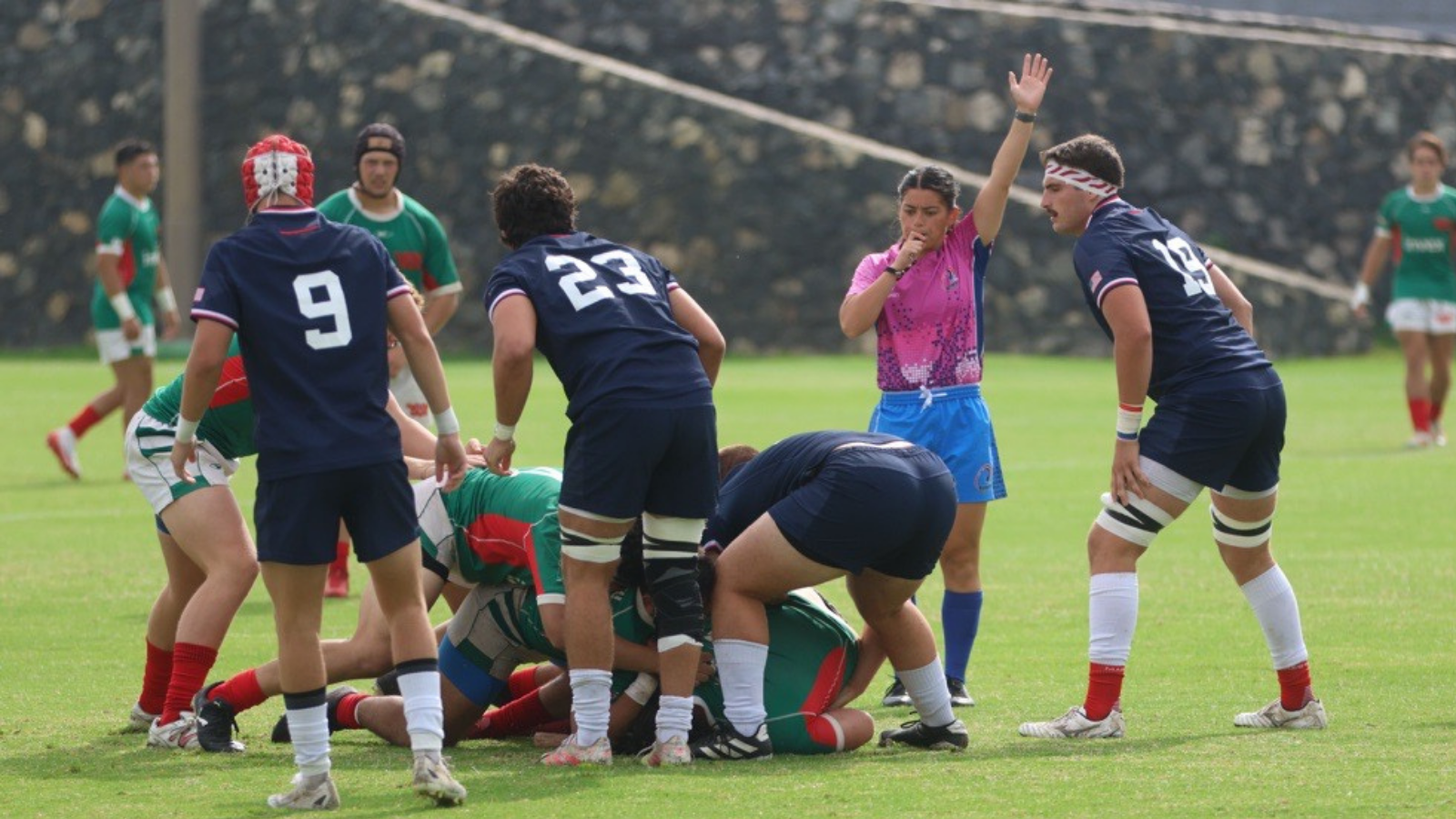
When I first took my referee course, I had no idea it would lead to me officiating national tournaments and, more recently, earning my first taste of officiating international competition at the Rugby Americas North U19 Men’s tournament in Mexico. As a player, like most serious competitive athletes, I simply took the course in efforts to gain an edge by better understanding the rules. As I neared the end of my university playing days, I gradually leaned more towards officiating as a way to stay involved with the rugby community.
Aside from the additional income, refereeing comes with a lot of meaningful perks. It allows you to stay in shape, help young athletes learn the game, build relationships with athletes and coaches in a new way, gain a deeper understanding of your sport and travel—all while getting the best seat in the house to watch a game you love. It also helps develop interpersonal skills like strong communication, conflict resolution and empathy.
I’ll be the first to admit that it can be a challenge turning up to the field by yourself when you’ve been used to taking the pitch with your team your entire life. It’s especially tough showing up as the only woman on the pitch that day. Refereeing can be lonely at times, but you still do get to experience that team aspect, especially when working larger tournaments. You might be surprised at the mental and physical preparation (and reflection) required to referee at the next level, but also the teamwork needed to facilitate the game. I feel incredibly lucky to have learned from some of the best referees in Canada at these tournaments, many of them who are women.
If you’re a fellow referee or a leader in your sport, tap the shoulder of an athlete, coach, parent or that boisterous fan in the stands and encourage them to take an officiating course. We know personal connection is the best way to recruit and retain officials. It’s a gig that is so much more than just refereeing – it’s a crucial step in supporting the rapid growth of the sports we love.